By Carly Sauvageau, Reno Gazette Journal
Nevadans looking for a weekend get-away from Las Vegas may be tempted to visit Lake Mead.
However, it’s not advised to swim in Lake Mead right now. The lake has been experiencing a harmful algal bloom since March 13, adding to the list of hurdles it faces.
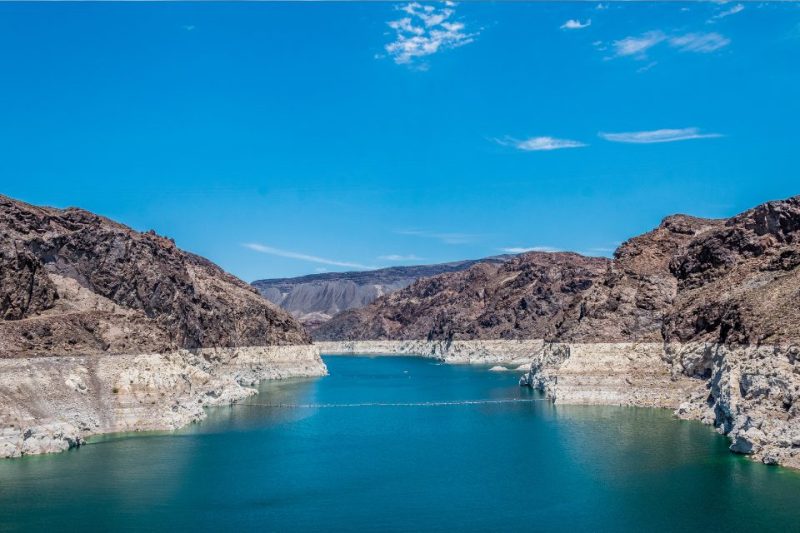
Not only is Lake Mead under a harmful algal bloom warning, but it is also storing less water than it did at this time last year. The warm winter, coupled with a mid-March heat dome that rose temperatures to unprecedented levels for this early in the year, could also affect water levels throughout Nevada.
Here’s what to know about Lake Mead this spring.
What does HAB mean?
In warm, shallow parts of Nevada’s water ecosystems, harmful algal blooms can occur. Though most algae are not harmful to people or animals (and even form the base of many food webs), some blooms can produce toxins that are harmful to public health and safety.
Harmful algal blooms are often caused by cyanobacteria that make the water look like it has thick paint or algal mats floating on top, and they can appear in a variety of colors, including green, white, red, or brown.
Nontoxic blooms look similar to rooted or floating green plants that turn yellow or brown as they die down. Nontoxic blooms smell like aquatic plants or leaves and become more musty as they die down.
However, toxic blooms look more like paint, soup, scum, lettuce, chopped grass, spires, mats, or blobs, and smell more like gasoline, fish, or septic odors. Toxic blooms can also appear green, blue-green, green-brown, or red.
You can see more visual examples of nontoxic and toxic blooms at mywaterquality.ca.gov.
What is cyanobacteria? What is the toxic algae in Nevada?
Cyanobacteria, also known as blue-green algae, can occur in freshwater and estuarine (a coastal body of water that mixes fresh and salt water) water bodies.
What causes harmful algal blooms?
Algae and cyanobacteria are natural and essential parts of water ecosystems, providing food and oxygen for aquatic life. However, when Nevada’s lakes have increased nutrient levels, such as nitrogen and phosphorus — typically from sources such as fertilizers and human or animal waste — rapidly increased cyanobacterial growth can lead to HABs.
“Low flows, stagnant water, increased intensity, and duration of sunlight, and sustained high temperatures create the ideal conditions for HABs,” according to the Nevada Division of Environmental Protection (NDEP).
NDEP added that toxicity can be hard to predict because the same algal species can have both toxic and non-toxic blooms, testing nontoxic one day and toxic the next. Because of this unpredictability, NDEP advises people to avoid any floating mats, scums, or discolored water.
Are cyanobacteria the same as algae?
No, cyanobacteria, often called blue-green algae, are not actually algae, according to Nevada’s Office of State Epidemiology. They are single-celled aquatic organisms that are more closely related to bacteria but can photosynthesize like algae. Increased cyanobacteria can also lead to harmful algal blooms.
What are the symptoms of exposure to HAB?
According to the Office of State Epidemiology, people who are exposed to cyanotoxins can experience adverse health effects that can range from a mild skin rash to serious illness or, in rare circumstances, death.
People can be exposed to the toxins in HABs through direct skin contact or inhalation and may experience:
- Rashes, hives, or blisters
- Runny nose, sore throat, asthma, or allergic-like reactions
People exposed through ingesting cyanotoxins may experience:
- Abdominal pain
- Headache
- Neurological symptoms
- Vomiting
- Diarrhea
- Liver damage and/or kidney damage
What should I do if I am exposed to a HAB?
It is best to avoid HABs altogether, but if you are exposed to a HAB, the Centers for Disease Control and Prevention (CDC) recommends immediately rinsing with clean water, visiting a health care provider, and calling poison control at 1-800-222-1222. Similarly, if your pet is exposed to a HAB, you should take them to the vet and call the ASPCA Animal Poison Control Center at 1-888-426-4435 or the Pet Poison Helpline at 1-855-764-7661.
How to see Lake Mead’s water levels and water storage
People interested in Lake Mead’s water storage levels can see daily reports at the United States Bureau of Reclamation website. They can also see the lake’s water levels at mead.uslakes.info/Level/.
As of March 25, Lake Mead’s storage is at 8,709 K acre-feet, 3 percentage points less than it had last year. Meanwhile, the lake water level is at 1,063 feet above mean sea level, about 4 feet lower than in 2025.
Extreme heat warning in March
Las Vegas was under an extreme heat warning most of last week with temperatures reaching nearly 100 degrees on Friday afternoon. The unprecedented early-season heat has left weather experts uncertain about how the water supply will shape up later in the year.
USA TODAY Network via Reuters Connect