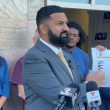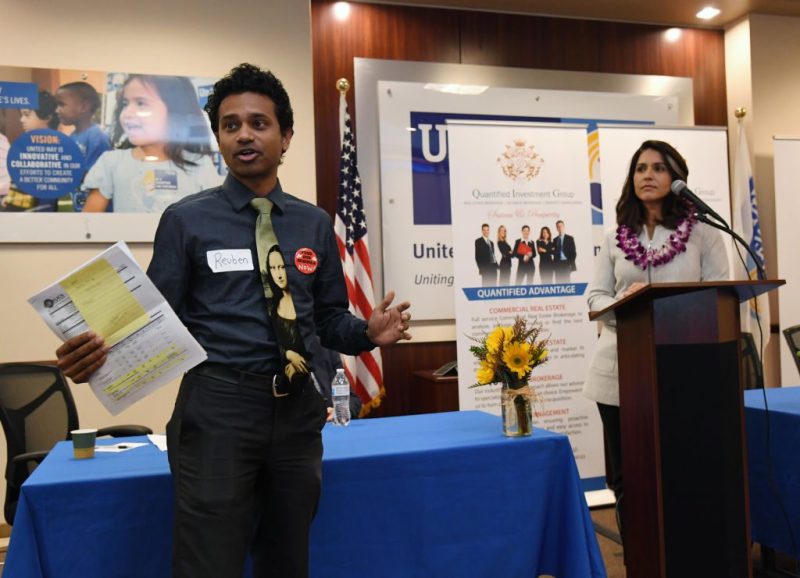
Assemblyman and veteran Reuben D’Silva believes diplomacy can keep Iranian nuclear threats at bay.
Nevada Democratic Assemblyman Reuben D’Silva (District 28), a Purple Heart US Marine Corps veteran, pinned the escalation of Iranian strikes against Israel on President Donald Trump. He pointed to his first term in office—when he pulled out of the 2015 Iran Nuclear Deal months into his presidency—as the catalyst for the conflict.
The move isolated the US from its western allies and reinstated sanctions on Iran that had previously crippled its economy. According to The New York Times, the 2015 agreement was reached by seven countries, including the US, after more than two years of “grueling negotiations,” which authorized Iran’s government to operate a small uranium program for energy purposes with tremendous oversight by international agencies. Iran agreed to the terms in exchange for the lifting of sanctions.
“And it was working,” D’Silva said in an interview. “Until Trump pulled the United States out of that deal, and that’s when you see the Iranians have a renewed focus on developing weapons-grade uranium.”
To develop a nuclear bomb, uranium or plutonium is needed, and Iran’s ability to gather those elements was halted in 2015, which was crucial timing. The Iranian government was reportedly two to three months away from accumulating enough nuclear materials to build a weapon.
D’Silva, who served during the Iraq War and studied diplomacy with a specific focus on the Middle East and South Asia, called the 2015 agreement “golden,” stating that long-term political solutions are key to keeping Americans safe from dangerous and expensive wars. He doubled down on the Obama-era approach to dealing with Iran, declaring that he backed it one thousand percent.
“This is what America should be about … getting out there, working problems out, creating long-term political solutions,” he said. “By dismantling the deal, it kind of pushed Iran into a corner.”
With Trump set to meet with Iran next week, D’Silva said the current moment calls for Obama-era negotiations from the White House to avoid war and to protect Nevadans deployed in the region. The Military Times reports that there are approximately 40,000 active-duty US troops and Defense Department civilians in the Middle East, including nearly 300 Nevada National Guard members.
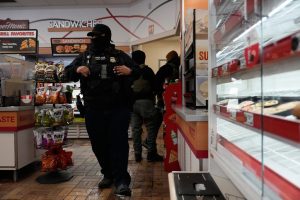
Las Vegas has experience with the Iranian government, causing Metro police to urge residents to be vigilant while out and about following the US airstrikes on the country. They asked that people report suspicious behavior on the Las Vegas Strip and downtown Las Vegas to police. The concern stems from a 2014 cyberattack on the Las Vegas Sands Palazzo and Venetian Casinos, which US intelligence officials linked to the Iranian government the following year.
Despite the escalation of conflicts, D’Silva cautioned against going to war. He was shot through the forearm during a 2007 deployment in Iraq and has permanent damage. Instead, he called for peaceful political strategies.
“We lost a lot in Afghanistan and Iraq,” he said. “Tens of thousands of American casualties… and trillions of dollars spent on those conflicts that we could have used for health care, education, or infrastructure.”